Seasonal Agricultural Machinery Guide: Matching Tractors and Implements to Crop Calendars
In July, a tractor buyer in Europe may be preparing for hay, orchard maintenance, and spraying. A rice-growing area in Southeast Asia may be focused on wet-field preparation, transplanting support, and drainage. A farm in the Southern Hemisphere may be using winter downtime for soil preparation, livestock feeding, pruning support, and equipment maintenance before spring work starts again.
This is why seasonal agricultural machinery should not be selected by horsepower alone. The right machine depends on the crop calendar, soil condition, row spacing, field moisture, attachment plan, and how many different jobs the tractor must handle in one season. This guide explains how common farm machines connect with crop timing, so importers, distributors, and farm owners can choose practical tractor and implement combinations instead of buying equipment that looks suitable on paper but misses the work window.
Why Crop Calendars Should Guide Machinery Selection
A crop calendar is more than a planting date. It is a sequence of field jobs: land preparation, bed making, fertilization, seeding or transplanting, spraying, mowing, irrigation support, harvesting support, residue handling, transport, and off-season maintenance. Each job asks different things from the tractor.
For example, a rotary tiller needs PTO output and enough traction. A sprayer needs stable low-speed movement and the right field clearance. A trailer needs braking, drawbar strength, and a safe match between load and field road condition. A front loader is useful around yards, sheds, greenhouses, compost piles, feed storage, and packaging areas, but it changes front axle load and traction requirements. Buyers who start with the crop calendar can match the machine to real seasonal pressure.
For dealers, this is also a sales planning issue. A market that grows vegetables under greenhouse conditions may need compact tractors and rotary tillers before planting peaks. An orchard market may buy tractors before pruning, spraying, mowing, and fruit transport seasons. A paddy market often asks about 4WD, sealed chassis, wet-field traction, and tire options before the rainy season or transplanting period.
A Global July View: What Farms Are Doing Now
Crop timing changes by region, rainfall pattern, altitude, and crop variety, so buyers should always confirm the local calendar. Still, July is a useful reference point for global machinery planning.
| Region / Season | Common Farm Work Around July | Useful Machinery | Buyer Notes |
|---|---|---|---|
| Northern Hemisphere summer | Mowing, spraying, irrigation support, orchard and vineyard maintenance, hay handling, early harvest logistics | Mini tractor, 30-50HP wheeled tractor, mower, sprayer, trailer, loader | Check row spacing, PTO speed, hydraulic lifting, cooling performance, and tire choice for dry or mixed conditions. |
| Tropical and monsoon regions | Rice-field preparation, transplanting support, drainage work, fertilizer movement, wet-field transport | 4WD tractor, rotary tiller, trailer, ridger, paddy-use tire configuration | Wet soil changes traction needs. Ask about chassis sealing, tire matching, and whether the tractor is suitable for paddy or only dry land. |
| Southern Hemisphere winter | Soil preparation, pruning support, livestock feed handling, cover-crop management, equipment maintenance | Compact tractor, loader, trailer, mower, rotary tiller, utility implements | Winter is often a good time to plan spring machinery packages and spare parts stock. |
| Greenhouse and vegetable farms | Bed preparation, compost movement, trenching, irrigation line work, repeated small-area operations | 12-18HP mini tractor, rotary tiller, trencher, ridger, small trailer | Overall size, turning radius, tire width, and low-speed control may matter more than high horsepower. |
Common Farm Machines and Their Seasonal Roles
1. Tractors: The Power Platform Behind the Calendar
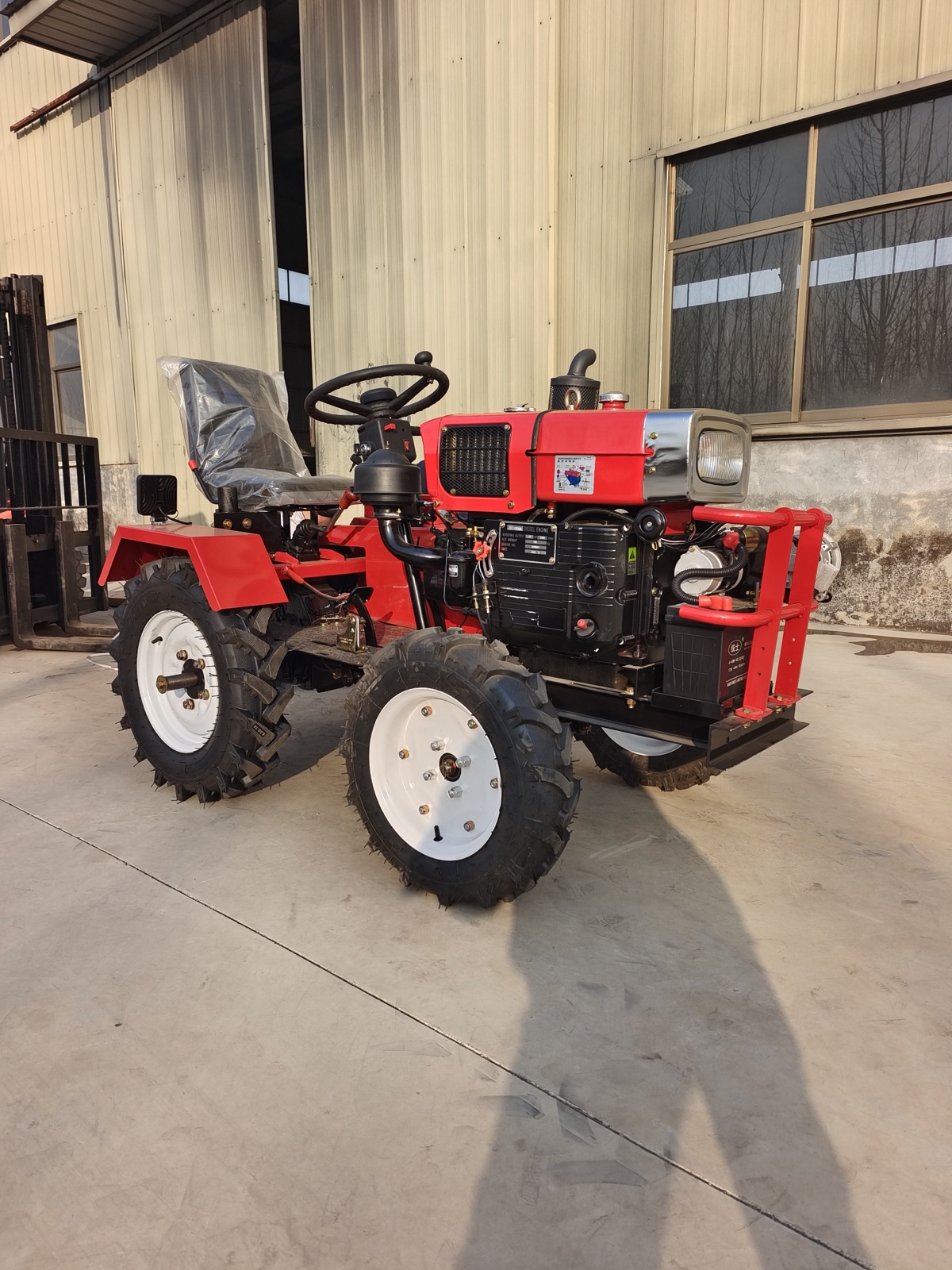
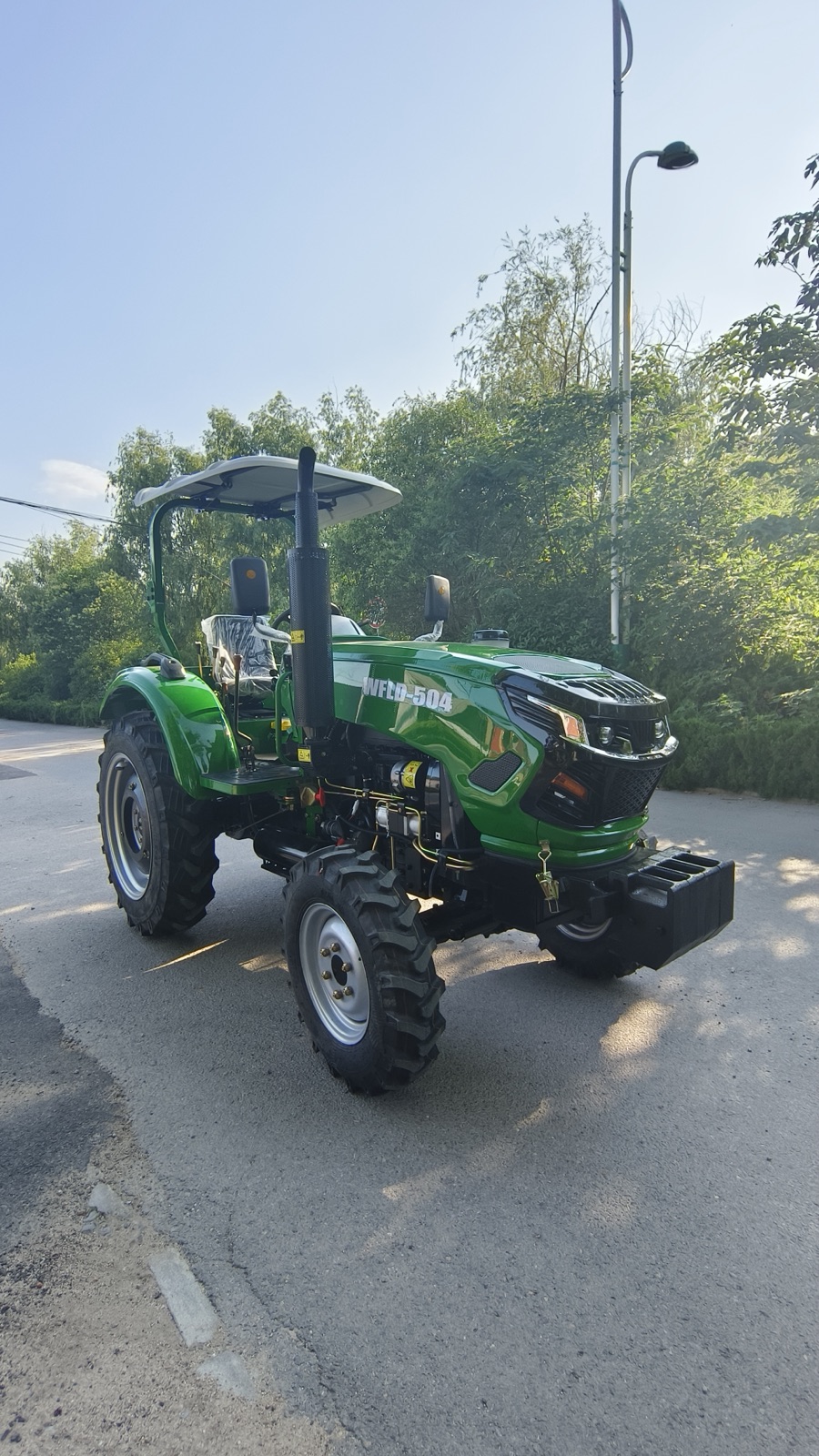
The tractor is the base machine that carries the seasonal workload. For small plots, orchards, and greenhouses, a 12-18HP mini tractor can be useful for light tillage, trenching, ridging, and transport around narrow spaces. Huaxiang’s owner-provided material lists mini four-wheel tractors with 12HP, 15HP, and 18HP diesel power, 2WD, electric start, and a compact size around 1.9 x 1 x 1.3 m. Those figures make the model family easier to position for greenhouse and small-plot work, but buyers should still confirm final configuration before ordering.
For heavier small-farm jobs, the 20-35HP single-cylinder four-wheel tractor category becomes more relevant. The provided material lists 20HP, 25HP, 30HP, and 35HP models, 4WD, diesel engine, electric start, gear drive, and hydraulic power steering. This type of tractor can fit buyers who need more traction than a very small mini tractor, especially for light field preparation, orchard transport, and mixed crop work.
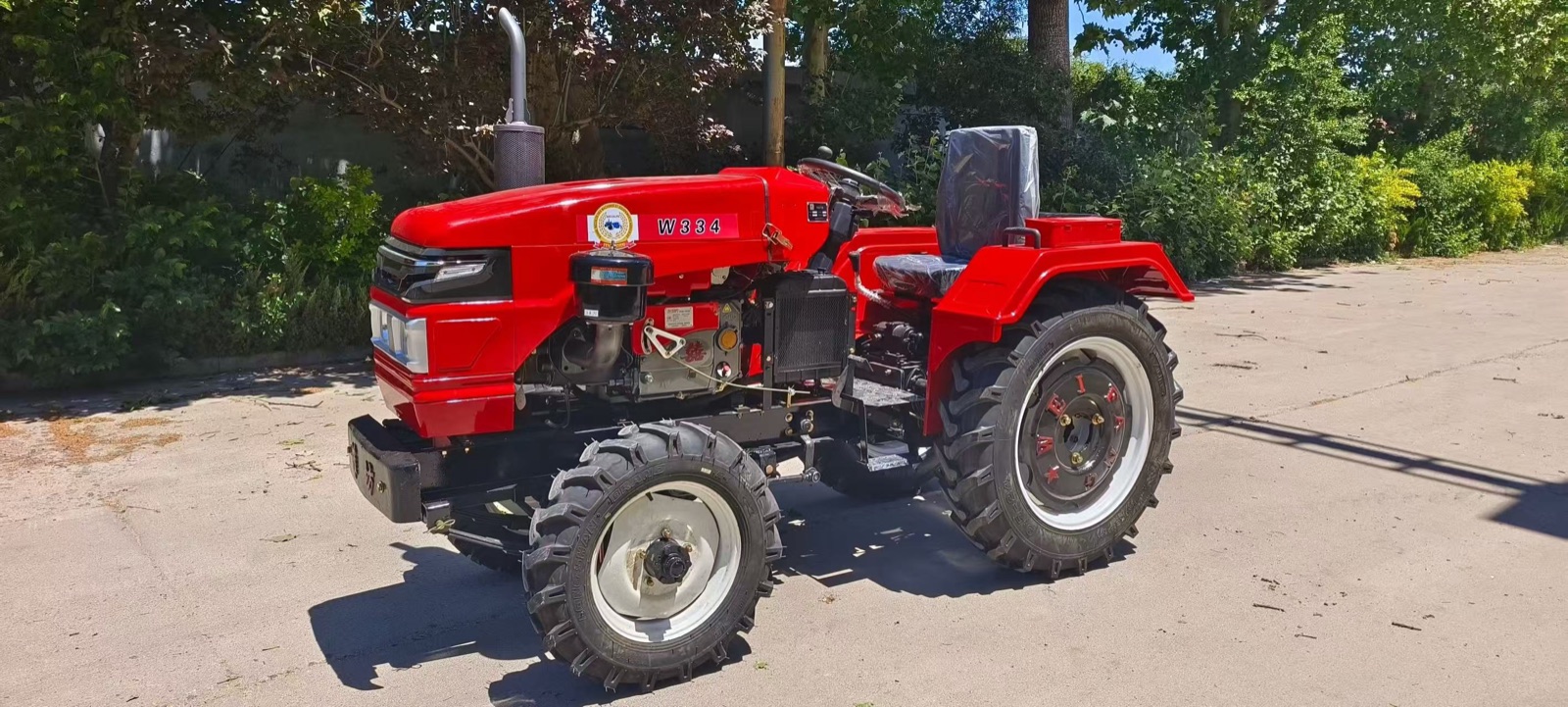
For field farms, paddy areas, contractors, and dealers serving several customer groups, 30-50HP or 40-80HP wheeled tractors are often more flexible. Huaxiang’s TS, TYE, TE, and Ningbo-related materials cover 30HP to 80HP ranges with 4-cylinder diesel options, 4WD or 2WD depending on the series, gear drive, and hydraulic steering. The larger TB material includes 90HP, 100HP, and 120HP tractors for heavier work, but active export model details should be confirmed before public quoting or final recommendation.
2. Rotary Tillers: Land Preparation Before Planting
Rotary tillage is one of the first seasonal operations in many crop calendars. It breaks and mixes soil before vegetable planting, maize planting, rice-field preparation, greenhouse bed renewal, or orchard inter-row management. The key is not simply whether the tractor can move the tiller, but whether it has the traction, PTO match, and weight balance to work at the required depth without overloading the machine.
For soft greenhouse soil or small vegetable plots, a compact tractor may be enough. For wet paddy soil, the buyer should ask about paddy-field suitability, tire options, chassis sealing, and whether the field will be worked before or after flooding. For dry open fields, horsepower, PTO speed, soil hardness, and working width become more important.
3. Plows and Ridgers: Building the Crop Bed
Plows, ridgers, and bed-making tools are closely tied to crop type. Potatoes, vegetables, tobacco, sugarcane, and some greenhouse crops may need ridges or raised beds. Orchards may need shallow inter-row soil management rather than aggressive plowing near roots. When buyers ask for a tractor for this work, the supplier should ask about soil type, depth, row width, and the implement weight.
A common mistake is pairing a tractor with an implement that is too wide for local soil conditions. This can lead to slow work, excessive wheel slip, or poor fuel economy. For distributors, it is better to offer a realistic implement width and clear local application guidance than to make the package look stronger than it is.
4. Seeders and Transplanting Support: Timing Is Everything
Seeding windows are often short. If the tractor is late, underpowered, or poorly matched with the seeder, the farm may miss ideal soil moisture or temperature. For grain crops and open-field vegetables, check PTO requirements, drawbar load, hydraulic lifting, and ground speed. For rice areas, tractor work may happen around nursery preparation, puddling, transport, or field-edge logistics rather than direct transplanting, depending on the local production system.
Buyers should describe the crop, planting method, row spacing, and soil condition before choosing the tractor. A vineyard or orchard buyer may need a narrow machine for row movement, while a grain farmer may need a stronger wheeled tractor for larger field implements.
5. Sprayers: Crop Protection During Active Growth
Spraying is tied to crop growth stage and pest pressure. In summer, orchards, vineyards, maize fields, vegetable farms, and plantations may all need timely crop protection. The tractor should move steadily at low speed, turn safely at row ends, and match the sprayer’s weight and power needs.
For orchard or vineyard spraying, row spacing is critical. A tractor that is too wide may damage branches or vines. A tractor that is too light may feel unstable with a heavy sprayer tank on uneven ground. Buyers should also consider operator comfort, visibility, turning radius, and service access, because spraying often happens under time pressure.
6. Mowers: Grass Control, Hay, and Orchard Floor Management
Mowers are often underestimated in machinery planning. Around July in many Northern Hemisphere markets, mowing demand is strong: orchards need grass control, vineyards need alley management, livestock farms cut forage, and acreage owners maintain lanes and field edges. A mower package needs the right PTO, hitch, tractor weight, and tire setup.
For orchard and vineyard buyers, the mower must fit the row system. For acreage owners, the priority may be simple operation and easy maintenance. For hay-related work, ask whether the machine is only mowing or also moving bales, pulling a trailer, or supporting other feed operations.
7. Loaders and Trailers: The Hidden Workhorses of Every Season
Many seasonal bottlenecks are not about cultivation. They are about moving things: fertilizer, seedlings, irrigation pipe, mulch, crates, feed, compost, harvest bins, spare parts, and tools. A loader and trailer can make a compact tractor useful throughout the year.
However, loader work changes tractor requirements. The buyer should confirm front axle load, hydraulic system, ballast, tire choice, and safe operating limits. Trailer work also depends on farm roads, slopes, braking, and load size. These details are especially important for distributors who sell to customers with different farm conditions.
Choosing by Crop Type: Practical Machinery Logic
| Crop / Farm Type | Seasonal Workload | Suggested Tractor Direction | Implements to Discuss |
|---|---|---|---|
| Greenhouse vegetables | Frequent bed preparation, compost, trenching, ridging, irrigation support | Compact 12-18HP mini tractor if space is narrow | Rotary tiller, trencher, ridger, small trailer |
| Orchards and vineyards | Mowing, spraying, inter-row transport, pruning support, harvest-bin movement | Mini tractor or 20-35HP small 4WD tractor depending on row spacing and terrain | Sprayer, mower, trailer, light loader, rotary tiller |
| Rice and wet-field areas | Wet soil preparation, field-edge logistics, fertilizer movement, post-rain transport | 4WD tractor with paddy-field suitability confirmed | Rotary tiller, paddy tire option, trailer, drainage-related tools |
| Open-field vegetables and grain | Land preparation, seeding support, spraying, transport, residue handling | 30-80HP wheeled tractor depending on acreage and implement width | Plow, rotary tiller, seeder, sprayer, trailer |
| Livestock and mixed farms | Feed handling, manure, mowing, fence-line work, yard transport | Compact tractor or 40-50HP utility tractor depending on loader and trailer work | Loader, trailer, mower, blade, carry-all attachment |
Model Range Notes From Huaxiang Materials
Shandong Huaxiang Agricultural Equipment Co., Ltd. focuses on wheeled tractors and agricultural equipment for international buyers. Verified company information lists Huaxiang as a manufacturer based in Yanzhou, Jining, Shandong, founded in 2006, with TS, TYE, Ningbo, and mini tractor series. The website and owner-provided materials position the product range mainly around small and medium wheeled tractors for orchards, greenhouses, paddy fields, open fields, terraced fields, and transport or tillage work.
For this seasonal article, the most useful confirmed model directions are:
- 12-18HP mini four-wheel tractor: compact diesel tractor direction for greenhouses, orchards, and small plots; owner material lists 2WD, electric start, belt drive, and 6 forward / 1 reverse gears.
- 20-35HP single-cylinder four-wheel tractor: a small 4WD diesel tractor direction for buyers needing more traction; owner material lists gear drive, hydraulic steering, and electric start.
- 30-50HP TS / TYE models: useful for small and medium field work, transport, seeding support, rotary tillage, and mixed farm operations; materials include 2WD and 4WD directions depending on model.
- 40-80HP TE / Ningbo-related range: a stronger field and paddy-use direction where buyers need more power, 4-cylinder diesel options, and 4WD configurations.
- 90-120HP TB range: relevant for heavier field work, but active export details and exact matched implements should be confirmed before quotation or public model claims.
Because crop conditions vary so much, a buyer should not choose only by the number printed on the hood. A 30HP tractor may be very practical for orchard and greenhouse distribution, while a 70HP tractor may be more suitable for a contractor handling larger tillage or transport work. The right answer depends on soil, slope, row width, implement width, daily working hours, and the buyer’s maintenance environment.
Common Buyer Mistakes to Avoid
Choosing Horsepower Before Defining the Season
A buyer may ask for a 50HP tractor because it sounds stronger, but the real work may be narrow orchard spraying where machine width matters more. Another buyer may choose a compact tractor for price reasons, then discover the rotary tiller or trailer work is too heavy. Start with crop season and implements, then choose horsepower.
Ignoring Soil Moisture and Field Access
Wet paddy soil, dry sandy soil, greenhouse soil, and stony terraces all create different traction requirements. A 2WD machine may work for dry light-duty tasks, while 4WD is often more suitable for wet, sloped, or loader-related work. Buyers should share field photos or short videos whenever possible.
Buying the Tractor Without the Attachment Plan
A tractor without the right implement package may sit unused during the most important season. Before confirming an order, list the expected implements: rotary tiller, plow, seeder, sprayer, mower, loader, trailer, ridger, trencher, or blade. Then check PTO, hydraulic lifting, tires, hitch, and overall machine size.
Overstating Certification or Market Access
Huaxiang’s website mentions export compliance support such as CE and COC, and the owner material folder includes CE/DOC-related documents for wheeled tractors. Still, importers should confirm the exact certificate scope, model coverage, destination-country requirements, and document validity before using certification claims in sales material.
Distributor Checklist Before Ordering Seasonal Machinery
- Which crop season creates the strongest demand: planting, spraying, mowing, harvest support, or land preparation?
- What is the main buyer group: orchard owner, greenhouse grower, rice farmer, open-field farmer, contractor, or livestock farm?
- Which horsepower groups should be stocked: 12-18HP, 20-35HP, 30-50HP, 40-80HP, or heavier 90HP+ models?
- Do local buyers prefer 2WD for cost control or 4WD for traction and loader work?
- Which attachments should be quoted together with the tractor?
- What spare parts should be prepared before the busy season?
- Which documents are needed for import, customs clearance, and local sales?
- Does the product page, catalog, and after-sales training explain the crop-specific use case clearly?
Internal Resources for Further Selection
For model browsing, start with Huaxiang’s wheeled tractor product category. Buyers comparing compact equipment can also read the mini tractor buying guide for small farms and orchards. For a wider view of horsepower options, see the existing article on the full horsepower product matrix.
If your team needs factory background, review About Huaxiang. For common buyer questions, visit the FAQ page. To request a configuration based on your crop calendar and attachments, use the contact page.
FAQ
What is seasonal agricultural machinery?
Seasonal agricultural machinery means farm machines selected according to the crop calendar. It includes tractors, rotary tillers, plows, seeders, sprayers, mowers, loaders, trailers, and other implements used at specific stages of planting, crop care, harvest support, and off-season maintenance.
Which tractor is suitable for orchard and greenhouse work?
For narrow orchards, greenhouses, and small plots, buyers often look at compact mini tractors or small 4WD tractors. Width, turning radius, tire size, and low-speed control should be checked before horsepower. Huaxiang’s owner-provided materials include 12-18HP mini tractors and 20-35HP single-cylinder four-wheel tractor directions for these applications.
Is 4WD necessary for farm tractors?
Not for every job. 2WD may suit some dry, light-duty work. 4WD is usually more practical for wet soil, paddy-field support, slopes, loader work, and traction-heavy operations. The decision should be based on soil condition, crop season, and implement plan.
Can one tractor handle several crop seasons?
Yes, if the tractor is selected as a platform and matched with the right implements. A mid-range wheeled tractor may support tillage, spraying, mowing, trailer transport, and yard work, but the supplier should confirm PTO, hydraulic lifting, tire options, and safe implement matching.
Should importers request CE or DOC files before ordering?
Importers should request all documents required by their destination market before confirming the order. If CE, DOC, COC, test reports, manuals, or customs documents are needed, confirm the exact model coverage and validity with the supplier. Do not rely on general certificate wording without checking the actual file.
Call to Action
If you are planning tractor orders around planting, spraying, mowing, paddy-field preparation, orchard maintenance, or harvest support, send your crop calendar, target horsepower range, soil condition, row spacing, and attachment list to Shandong Huaxiang Agricultural Equipment Co., Ltd. We can help recommend a practical tractor configuration, matching implements, and export document direction for your market.
For distributors, a good seasonal package is not only a tractor. It is a model, attachment, spare-parts, and document plan that lets your customers work when the crop calendar says it is time.